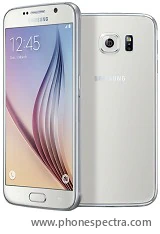
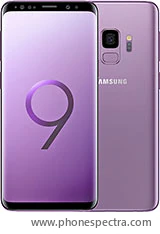
Samsung Galaxy S7 vs Samsung Galaxy S8
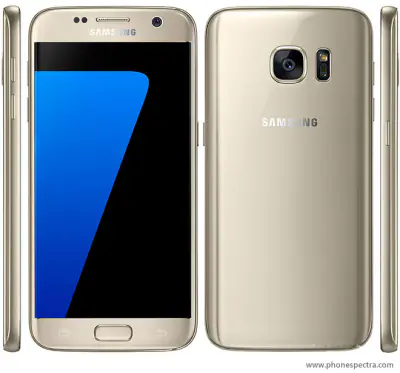
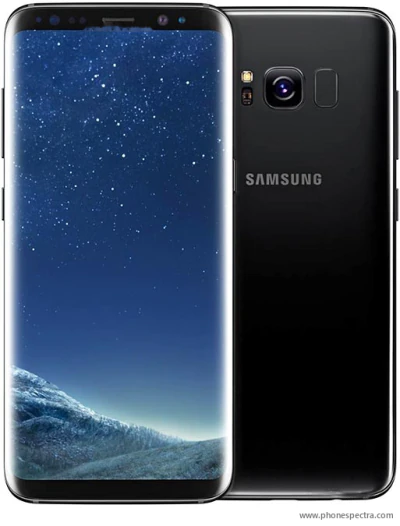
Specifications side by side
SpecificationGalaxy S7Galaxy S8
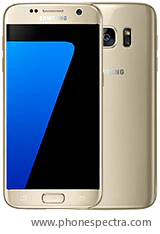
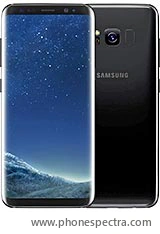
Display
Samsung Galaxy S7: Corning Gorilla Glass 4
Samsung Galaxy S8: Corning Gorilla Glass 5
Chipset and performance
Samsung Galaxy S7: Octa-core (4x2.3 GHz Mongoose & 4x1.6 GHz Cortex-A53)
Samsung Galaxy S8: Octa-core (4x2.3 GHz Mongoose M2 & 4x1.7 GHz Cortex-A53)
Cameras
Samsung Galaxy S7: 12 MP · f/1.7 · 26 mm · wide · OIS · AF
Samsung Galaxy S8: 12 MP · f/1.7 · 26 mm · wide · OIS · AF
Samsung Galaxy S7: 4K@30fps, 1080p@30fps (gyro-EIS), 1080p@60fps, 720p@240fps, HDR, stereo sound rec., OIS
Samsung Galaxy S8: 4K@30fps, 1080p@30/60fps, 720p@240fps, HDR, stereo sound rec., gyro-EIS, OIS
Samsung Galaxy S7: 5 MP · f/1.7 · 22 mm · wide
Samsung Galaxy S8: 8 MP · f/1.7 · 25 mm · wide · AF
2 MP
Front camera features
Samsung Galaxy S7: HDR
Samsung Galaxy S8: HDR
Front camera video
Samsung Galaxy S7: 1440p
Samsung Galaxy S8: 1440p@30fps
Battery and charging
Samsung Galaxy S7: Talk time: Up to 22 h (3G)
Samsung Galaxy S8: Talk time: Up to 20 h (3G)
Memory and storage
Samsung Galaxy S7: microSDXC (uses shared SIM slot) - dual SIM model only
Samsung Galaxy S8: microSDXC (uses shared SIM slot) - dual SIM model only
Body and design
Samsung Galaxy S7: Glass front (Gorilla Glass 4), glass back (Gorilla Glass 4), aluminum frame
Samsung Galaxy S8: Glass front (Gorilla Glass 5), glass back (Gorilla Glass 5), aluminum frame
Samsung Galaxy S7: Black, White, Gold, Silver, Pink Gold
Samsung Galaxy S8: Midnight Black, Orchid Gray, Arctic Silver, Coral Blue, Maple Gold, Rose Pink, Burgundy Red
Software and updates
Connectivity
Samsung Galaxy S7: Wi-Fi 802.11 a/b/g/n/ac, dual-band, Wi-Fi Direct
Samsung Galaxy S8: Wi-Fi 802.11 a/b/g/n/ac, dual-band, Wi-Fi Direct
Wi-Fi standards
Samsung Galaxy S7: a, b, g, n, ac
Samsung Galaxy S8: a, b, g, n, ac
Audio
Audio features
Samsung Galaxy S7: 24-bit/192kHz audio
Samsung Galaxy S8: 32-bit/384kHz audio
Sensors
Samsung Galaxy S7: Fingerprint (front-mounted), accelerometer, gyro, proximity, compass, barometer, heart rate, SpO2
Samsung Galaxy S8: Iris scanner, fingerprint (rear-mounted), accelerometer, gyro, proximity, compass, barometer, heart rate, SpO2
Network
Samsung Galaxy S7: HSDPA 850 / 900 / 1700(AWS) / 1900 / 2100 - G930F, G930FD, G930W8
Samsung Galaxy S8: HSDPA 850 / 900 / 1700(AWS) / 1900 / 2100
Samsung Galaxy S7: 1, 2, 3, 4, 5, 7, 8, 12, 13, 17, 18, 19, 20, 25, 26, 28, 29, 30, 38, 39, 40, 41
Samsung Galaxy S8: 1, 2, 3, 4, 5, 7, 8, 12, 13, 17, 18, 19, 20, 25, 26, 28, 32, 38, 39, 40, 41, 66
Samsung Galaxy S7: Nano-SIM (G930F); Nano-SIM + Nano-SIM (G930FD)
Samsung Galaxy S8: Nano-SIM; Nano-SIM + Nano-SIM
Samsung Galaxy S7: HSPA 42.2/5.76 Mbps, LTE (3CA) Cat9 450/50 Mbps
Samsung Galaxy S8: HSPA 42.2/5.76 Mbps, LTE (5CA) Cat16 1024/150 Mbps
Other
Other features
Samsung Galaxy S7: ANT+, S-Voice natural language commands and dictation, Samsung Pay (Visa, MasterCard certified)
Samsung Galaxy S8: Samsung DeX (desktop experience support), ANT+, Bixby natural language commands and dictation, Samsung Pay (Visa, MasterCard certified)
SAR (body, US)
Samsung Galaxy S7: 1.59 W/kg
Samsung Galaxy S8: 0.75 W/kg
SAR (body, EU)
Samsung Galaxy S7: 0.62 W/kg
Samsung Galaxy S8: 1.27 W/kg
A dot marks the highest recorded value, or the lowest for size, thickness and weight. It is not a judgement of quality.
4 specifications are not recorded for every phone and cannot be compared.
The short version
Written from the recorded specifications only. We do not judge performance, camera quality or battery life.
- The Samsung Galaxy S8 has the larger screen: 5.8 in, against 5.1 in on the Samsung Galaxy S7.
- The Samsung Galaxy S7 is the lighter: 152 g, against 155 g on the Samsung Galaxy S8.
- The Samsung Galaxy S7 is the thinner: 7.9 mm, against 8 mm on the Samsung Galaxy S8.
- The storage configurations differ: 32 GB, 64 GB on the Samsung Galaxy S7; 64 GB on the Samsung Galaxy S8.
- The Samsung Galaxy S8 is the newer phone, released April 24, 2017; the Samsung Galaxy S7 was released March 11, 2016.